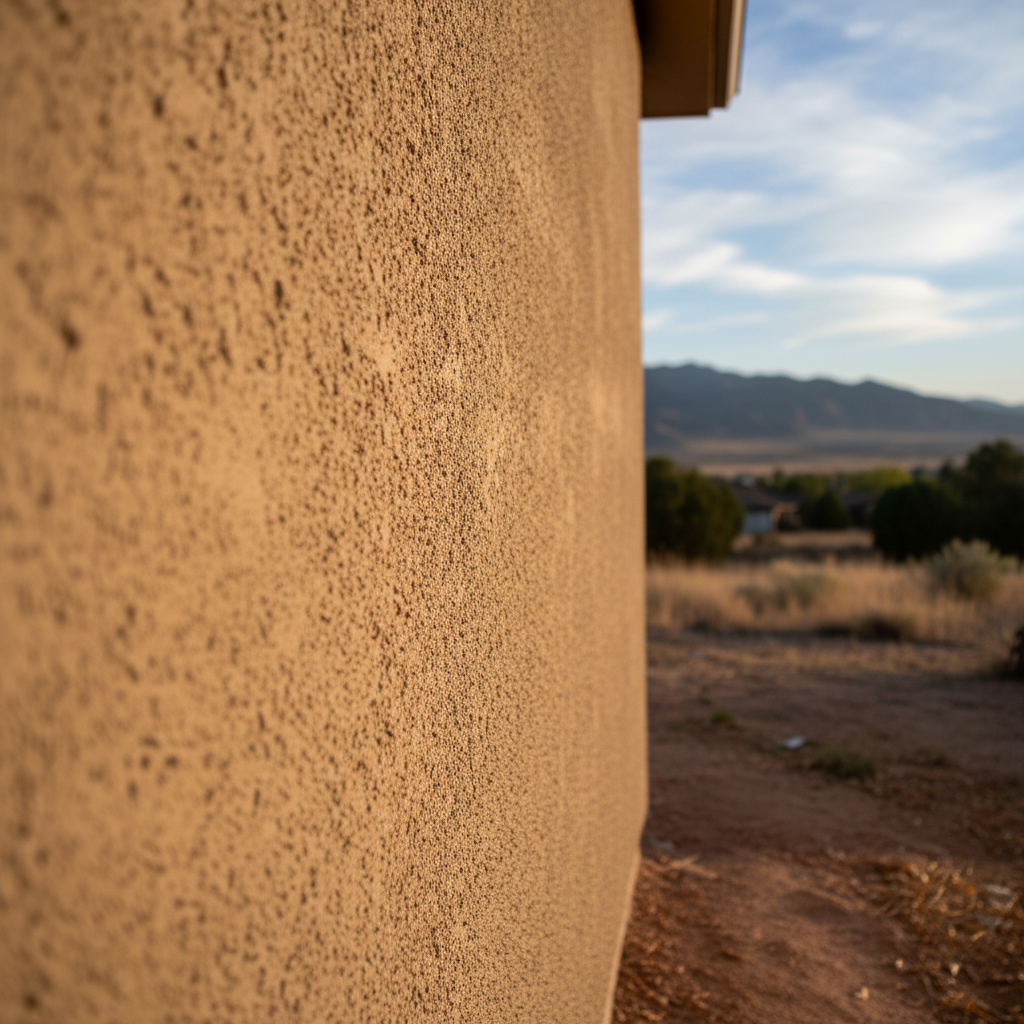
Thinking About Taking Off Your Stucco?
So, you've got stucco on your house and you're thinking about getting rid of it. Maybe it's old, cracked, or you just want a fresh look for your Ogden home. It's a big project, no doubt about it, and you really need to understand what you're stepping into before you start swinging a sledgehammer. I've seen plenty of homeowners try this themselves. Sometimes it works out okay, but often, they end up calling me when things get messy. Let's talk about what you need to know.
Before You Start: Getting Ready
First things first, you've got to figure out what kind of stucco you actually have. Is it the traditional cement-based stuff, or is it an EIFS (Exterior Insulation and Finish System)? EIFS is a completely different animal to remove because it's got those foam insulation layers. Traditional stucco usually means cement, sand, and lime, put on in layers over a lath (that's wire mesh). Knowing this will totally change how you approach the job.
Next, think about what's hiding underneath. Stucco almost always goes over some kind of sheathing—often plywood or OSB—with a weather-resistant barrier (WRB) in between. The goal isn't just to get the stucco off; it's to do it without wrecking the sheathing or, even worse, the framing. You'll need to protect your landscaping, too. Drop cloths, tarps, and plastic sheeting will be your best friends here. Stucco dust and debris get everywhere, and you definitely don't want it ruining your shrubs or clogging up the drains. Oh, and don't forget about permits. Depending on what you're putting back, you might need one from Ogden City. Always check with their planning department.
The DIY Way: When It Might Work
If you've only got a small section of stucco to deal with—say, on a detached garage or just a bit of a wall that's easy to reach—and you feel good about your demolition skills, you might be able to do it yourself. Here’s the basic rundown:
- Safety First: Seriously, wear heavy gloves, eye protection, a dust mask (or respirator), and sturdy boots. Stucco is sharp, and it's incredibly dusty.
- Tools: You'll need a hammer, a chisel, a pry bar, and maybe a small sledgehammer. Some people use rotary hammers with chisel attachments, but those can really tear things up.
- Technique: Start at an edge or a spot that's already damaged. Work slowly and carefully. The idea is to break the stucco into pieces you can handle and pry it off the lath. Once you get a section of stucco gone, you’ll probably see the metal lath underneath. You'll need tin snips or an angle grinder to cut that lath away, being super careful not to cut into the sheathing.
- Debris Management: Have a plan for all that rubble. Renting a dumpster is usually the smartest move, honestly.
The biggest challenge for DIYers is often just how much work it is. Stucco is heavy, and getting it off can be exhausting. Plus, you really need to be careful not to damage the structure underneath. I've seen folks accidentally punch holes through their sheathing or even nick electrical wires because they weren't careful enough with a pry bar.
When to Call a Pro (Like New Look Stucco Inc)
For most homes, especially bigger ones or those with multiple stories, taking off stucco is a job best left to the pros. Here's why:
- It's a huge mess: I can't say this enough. Stucco removal creates an unbelievable amount of dust and debris. We've got the right gear and methods to keep it contained as much as possible and clean it up properly.
- Time and Labor: It takes a lot of time and a lot of muscle. We have the crew and the tools to get it done efficiently.
- Damage Control: Pros know how to get stucco off without damaging the structure underneath. We're trained to spot what's there and work around it. We're also ready for any surprises, like rotted sheathing or unexpected framing issues, which pop up a lot in older homes, especially around spots that have seen a lot of snowmelt or rain over the years here in Ogden.
- Specialized Equipment: For big jobs, we use special equipment that makes the whole process faster and safer.
- Disposal: We handle all the heavy lifting and getting rid of the stucco waste.
- What's Next: If you're taking off stucco, you're obviously putting something else back on. We can often help with that transition to your new siding, whether it's fresh stucco, vinyl siding, or something else.
If you're dealing with EIFS, definitely call a pro. That system needs a different approach, and if you don't know what you're doing, you risk damaging the insulation and creating more problems.
After the Stucco is Gone
Once the stucco is off, you'll see the exposed sheathing and the weather-resistant barrier. This is your chance to really look at everything. Check for any signs of water damage, rot, or pest infestations. Fix anything that needs repairing before you put on new siding. You'll probably need to put in a new WRB, since the old one might get damaged during removal or just isn't up to modern code for your new exterior. This is a super important step to make sure your home stays dry and protected for years to come.
Taking off stucco isn't a small thing. It's dirty, hard work, and a lot can go wrong if you're not ready. Think about the good and bad carefully. For many homeowners, especially those in our older neighborhoods like the East Bench with their multi-story homes, bringing in a company like New Look Stucco Inc is the smartest way to get the job done right and safely.