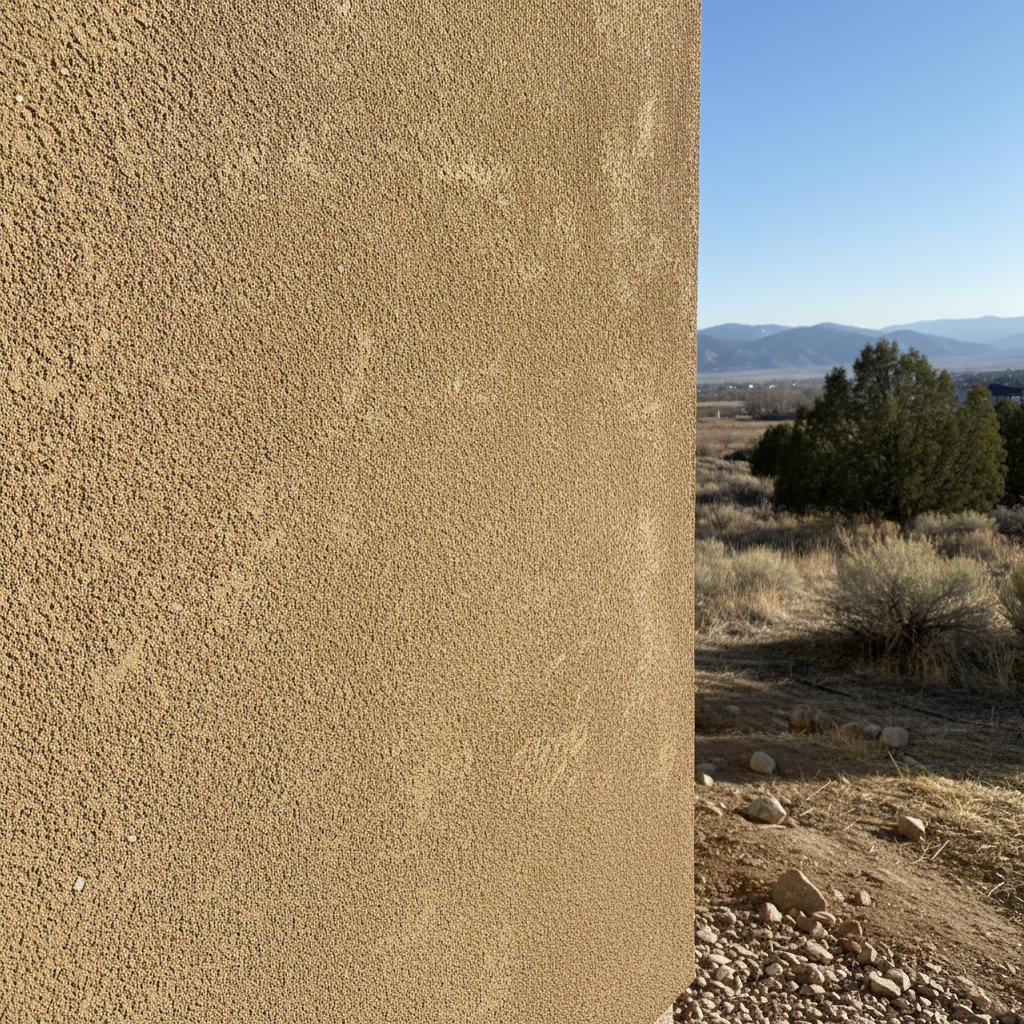
So, you're thinking about stucco for your house. Maybe you've got an old brick home in the East Bench that's seen better days, or you're building new and like the look and durability stucco offers. It's a great choice, especially with our crazy Utah weather – hot summers, cold winters, and that dry air. But before you dive in, let's talk about what you're really getting into.
Before the Project: Planning & Prep
First off, you need a plan. Stucco isn't just slapping mud on a wall; it's a system. You've got to consider the type of stucco – traditional three-coat, one-coat, or even EIFS (Exterior Insulation and Finish System). Each has its own benefits and installation nuances. For most homeowners, traditional three-coat is what they think of, and it's super durable when done right.
What can you do yourself at this stage? Plenty of research. Look at homes in your neighborhood, get an idea of colors and textures you like. Think about your budget. You can also start clearing the area around your house. Move plants, outdoor furniture, anything that's going to be in the way. Trust me, a clear workspace makes everything go smoother.
But here's where you probably need a pro: understanding the building codes. Ogden has specific requirements, especially concerning flashing around windows and doors, and how the stucco ties into the foundation. Get this wrong, and you're looking at water intrusion down the line, which is a nightmare. A good contractor, like us at New Look Stucco Inc, knows these codes inside and out and will make sure your project is up to snuff.
During the Project: The Nitty-Gritty
This is where the real work happens. For traditional stucco, you're looking at several layers:
- Weather-Resistive Barrier (WRB): This is usually a house wrap or building paper. It's critical for keeping water out. You can probably handle installing this if you're handy and meticulous, overlapping correctly and taping seams.
- Lath: This is the metal mesh that the stucco adheres to. It needs to be securely fastened and properly overlapped. Getting this right is crucial for the stucco's strength and crack resistance. It's fiddly work, especially around corners and openings.
- Scratch Coat: The first layer of cement-based material. It's pushed into the lath and then scratched horizontally to provide a key for the next layer.
- Brown Coat: This is the second layer, applied over the scratch coat, leveling the surface.
- Finish Coat: This is the top layer, where you get your color and texture.
Now, can you DIY all of that? Honestly, probably not the cement layers. Mixing the stucco correctly, getting the right consistency, and applying it evenly takes a lot of skill and experience. You'll end up with an uneven, possibly cracking mess if you're not careful. Plus, it's physically demanding work. Hauling buckets of wet stucco up a ladder all day isn't for the faint of heart.
What you can do during this phase is be a great project manager. Keep the site clean, make sure there's access to water and electricity, and be available to answer questions. If you're doing a small patch job, applying a finish coat to a small area might be doable, but for a whole house, leave the heavy lifting to the pros.
After the Project: Curing & Maintenance
Once the stucco is on, it's not quite done. It needs to cure properly. This means keeping it moist, especially in our dry Ogden climate. For the first few days, you might need to lightly mist the stucco with water. Your contractor will tell you exactly how long and how often. Don't skip this step; proper curing prevents cracking and ensures maximum strength.
After it's fully cured, stucco is pretty low maintenance. You'll want to clean it periodically – a gentle wash with a hose and a soft brush can remove dirt and grime. Check for cracks, especially around windows and doors, or where different materials meet. Small hairline cracks are normal and usually not a big deal, but larger, active cracks need attention. If you see water stains below a crack, that's a red flag.
Another thing to watch out for is landscaping. Don't let plants or sprinklers constantly hit the stucco. That constant moisture can lead to issues over time. Keep an eye on your gutters and downspouts too; they should direct water away from the stucco and your foundation.
So, there you have it. Stucco is a fantastic, durable exterior for your home. You can definitely handle some of the prep and ongoing maintenance yourself, but for the actual installation, especially the lath and multiple coats, you're usually better off hiring a seasoned pro. It's an investment, and you want it done right the first time.