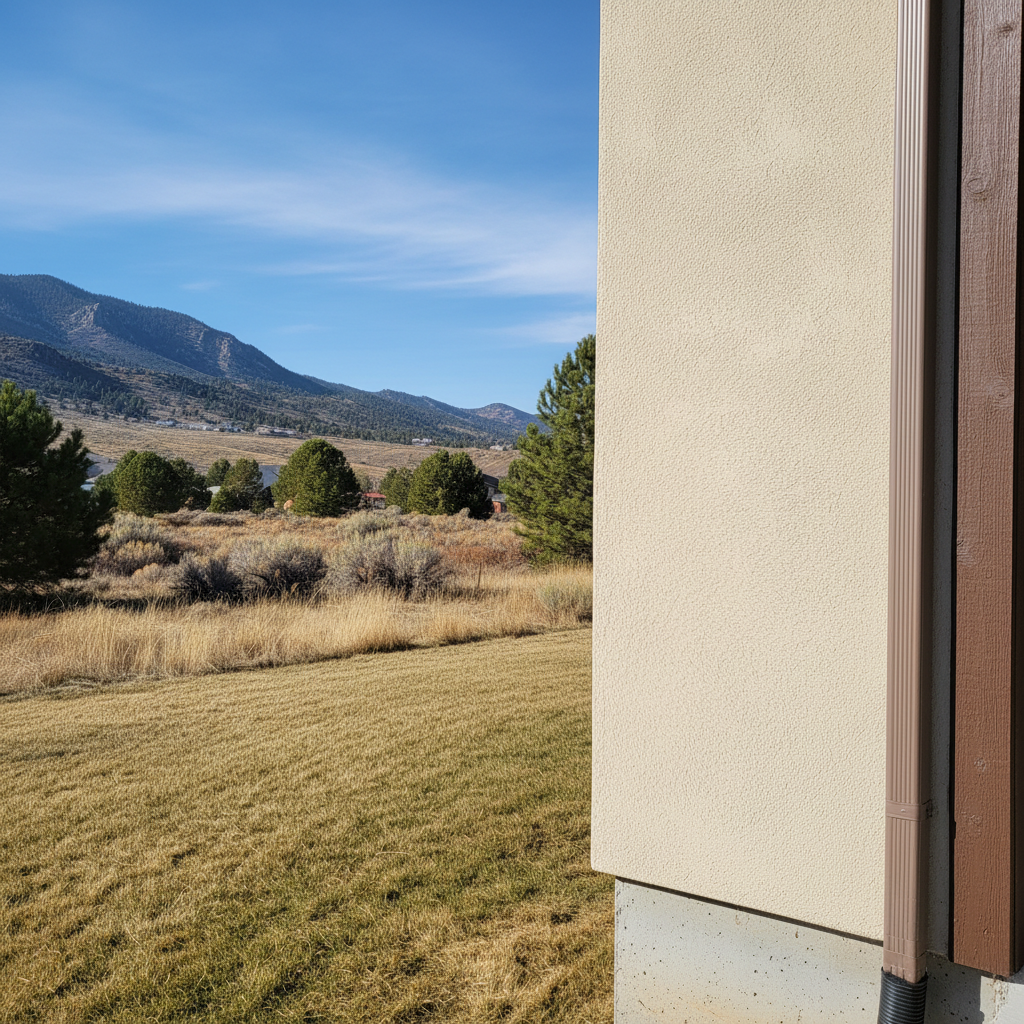
Your stucco isn't just there to look nice; it's your home's main shield against the weather. Here in Ogden, we really get it all – scorching summers, freezing winters, and, let's be honest, those crazy spring hailstorms. That kind of climate puts a lot of stress on any exterior, and stucco is no different. If you want your stucco to last as long as it should, you've got to give it some attention. It's not rocket science, but it does take a bit of know-how, doesn't it?
Extending Your Stucco's Life: Simple Habits
The best way to make your stucco last is to be proactive, not just reacting when something goes wrong. Think of it like changing the oil in your car. A little regular maintenance goes a long, long way.
- Keep it Clean: Dirt, dust, and even mildew can build up, especially on north-facing walls that don't get as much sun. A gentle wash with a garden hose and a soft brush, maybe some mild detergent if you need it, can make a huge difference. Just don't use a high-pressure washer unless you really know what you're doing; you can easily damage the finish or force water into places it shouldn't go.
- Manage Your Landscaping: This one's a big deal. Bushes, trees, and vines growing directly against your stucco are a recipe for disaster. They trap moisture, stop things from drying out properly, and can even physically damage the surface over time. Keep plants trimmed back at least 6-12 inches from the wall. Also, make sure your sprinklers aren't constantly drenching the stucco.
- Check Your Gutters and Downspouts: If your gutters are clogged or your downspouts aren't diverting water far enough away from your foundation, that water is going to run right down your stucco. Constant water exposure is one of the quickest ways to degrade stucco and lead to bigger problems. Make sure they're clear and working right.
What Regular Maintenance Looks Like
I tell all my clients, whether I'm doing a new installation or a repair for New Look Stucco Inc, that you should do a visual inspection of your stucco at least twice a year. Spring and fall are perfect times. After winter, you're looking for any damage from ice, snow, and those freeze-thaw cycles. In the fall, you're getting things ready for the next winter and checking for summer wear and tear.
- Walk around your house. Get up close. Look at every wall.
- Pay extra attention to areas around windows, doors, and where different materials meet. These are common spots for issues to start.
- Check the bottom edge of your stucco, near the foundation. This is called the weep screed, and it's designed to let moisture out. Make sure it's not buried by dirt or landscaping.
- Look for any signs of water staining, especially below windows or near your roofline.
Warning Signs of Stucco Problems
You're looking for anything out of the ordinary. Here are the big red flags:
- Cracks: Not all cracks are bad, but you need to know the difference. Hairline cracks that are barely visible are usually just surface shrinkage and aren't a huge concern. Larger cracks, especially those wider than a credit card, or ones that spiderweb or run horizontally/diagonally across a big section, can mean structural movement or water intrusion.
- Stains and Discoloration: Dark streaks, green/black mildew, or rust-colored stains usually mean water is getting where it shouldn't or staying wet for too long.
- Bulging or Soft Spots: If you press on the stucco and it feels soft, spongy, or you see a bulge, that's a serious sign of trapped moisture and rot underneath. This often points to significant water damage to the substrate.
- Peeling Paint or Finish: If your stucco is painted and the paint is peeling, bubbling, or flaking, it could be a sign of moisture pushing through from behind.
- Efflorescence: That white, powdery substance on the surface? That's efflorescence, mineral salts left behind when water evaporates from inside the stucco. It means moisture is definitely present.
- Missing or Damaged Flashing: Flashing is that metal or plastic strip designed to direct water away from vulnerable spots, like above windows or where the roof meets a wall. If it's bent, missing, or installed incorrectly, water will find its way in, no doubt about it.
Especially in older homes in areas like the East Bench, where foundations might have settled a bit over the decades, you'll really want to keep an eye out for those larger, structural cracks. They tell a story.
When to Call a Professional
If you see any of those serious warning signs – large cracks, bulging, soft spots, or persistent water staining – don't try to fix it yourself. You might just be patching a symptom while the real problem gets worse behind the wall. That's when you call someone like me.
You should also call a pro if:
- You're not sure what you're looking at. Better safe than sorry, right?
- The damage is extensive. A small patch is one thing, but if a whole section is compromised, you need an expert assessment.
- You suspect water intrusion but can't pinpoint the source. We've got tools and experience to find those hidden leaks.
- You're thinking about painting or re-coating your stucco. It's important to make sure the underlying stucco is sound first.
Catching problems early saves you a ton of money and headaches down the road. A little vigilance now means your stucco will protect your home for decades to come.