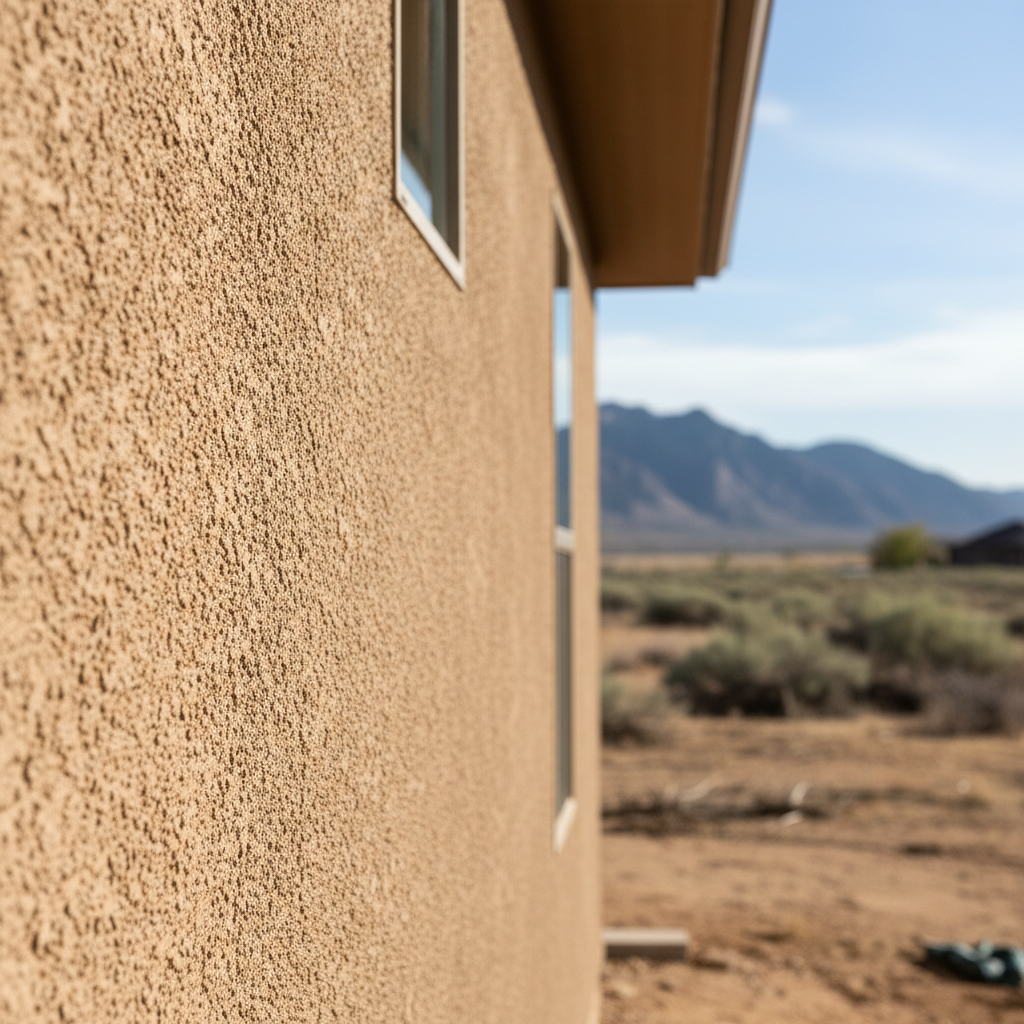
Why You Should Even Care About Your Stucco
Your stucco isn't just there to look pretty; it's actually a big shield for your home. It keeps the weather out, helps insulate the place, and yeah, it definitely makes your house look good. But like anything that works hard, it needs some looking after. If you ignore small problems, they can blow up into huge, expensive messes pretty fast. Believe me, I've seen it happen too many times, especially with our tough Ogden winters and scorching summers. Water sneaks in, freezes, expands, and before you know it, you're staring down a major repair bill.
Before You Call a Pro: Your Own Stucco Checklist
You don't have to be a stucco wizard to spot some common issues. Just taking a good look around can tell you a lot. Here's what I'd do if I were in your shoes:
- Walk Around Your House: Take your time. Really look at every side. What do you see that seems a little off?
- Check for Cracks: Not every crack is a disaster, but you need to know the difference. Those tiny hairline cracks? Usually just cosmetic, nothing to worry about. But if you see cracks wider than a credit card, or ones that run straight across or in a stair-step pattern, those are big red flags. Pay extra attention around windows and doors, or where different building materials meet.
- Look for Stains and Discoloration: Dark streaks, especially under windows, near the roofline, or around vents, usually mean water is getting in somewhere. Green or black spots? That could be mold or mildew, which definitely points to moisture problems.
- Inspect Around Openings: Windows, doors, vents, and any pipes or wires coming out of the wall are common spots for water to sneak in. Check the caulk around these areas. Is it cracked, gone missing, or pulling away from the wall? That's an easy fix that can save you a lot of trouble down the road.
- Check the Base of Your Walls: You should have a good gap between the bottom of your stucco and the ground — usually about 6 to 8 inches. We call this the 'clearance.' If dirt, mulch, or even concrete is piled up against the stucco, it can soak moisture right up into your wall. That's a huge no-no. I see this a lot in older homes, especially in the East Bench area where landscaping has just built up over the years.
- Tap Test: Gently tap on the stucco with a rubber mallet or even just your knuckles. It should sound solid. If you hear a hollow sound, that could mean the stucco is delaminating (separating from the wall) or there's moisture trapped behind it.
What We Look For During an Inspection (Even if a Pro is Doing It)
Even if you hire someone like us at Salt Lake Stucco, it's smart to know what we're looking for. It helps you understand the whole process and ask good questions.
- Moisture Readings: A pro will use a moisture meter. This tool won't damage your stucco, but it can find high moisture levels hiding behind the surface. If the meter shows high readings, that's usually when we start talking about doing more intrusive tests.
- Flashings: These are those metal strips that direct water away from vulnerable spots, like above windows and doors, or where the roof meets a wall. We check if they're installed correctly, aren't bent, and are actually doing their job. Missing or poorly installed flashing is a very common way for water to get in.
- Kick-out Flashing: This is a small, often overlooked piece of flashing at the bottom of a roofline where it meets a wall. It's super important for making sure water goes into the gutter and not down your wall. If it's missing, water will just run down the wall — guaranteed to cause issues.
- Drainage Planes: Stucco systems are actually built with a drainage plane behind the stucco itself. This lets any water that gets past the stucco drain out. We look for signs that this system isn't working right, things like constant staining or rot.
- Previous Repairs: If your stucco has been fixed before, we'll check how good those repairs are. Sometimes a quick patch job can hide bigger problems or even make them worse if it wasn't done correctly.
After the Inspection: What Happens Next?
So, you've done your own visual check, or maybe you've had a professional inspection. Now what do you do with all that information?
- Minor Issues: If you found small cracks (the hairline kind) or worn-out caulk, these are things you can probably handle yourself with some good quality caulk and a little patience. Just make sure you use the right materials for stucco, okay?
- Moderate Issues: Bigger cracks, some discoloration, or hollow sounds in just a few spots might mean you need a pro. Get a couple of quotes. Make sure they explain what they found and exactly how they plan to fix it.
- Major Issues: Widespread cracking, significant staining, signs of rot, or multiple areas with high moisture readings? That's when you absolutely need a professional assessment. This could point to a problem with the whole system that needs more extensive repair or even remediation. Don't put this off.
The main thing is to be proactive. Your home is a huge investment, and your stucco plays a key role in protecting it. A little attention now can save you a whole lot of money and stress later on.