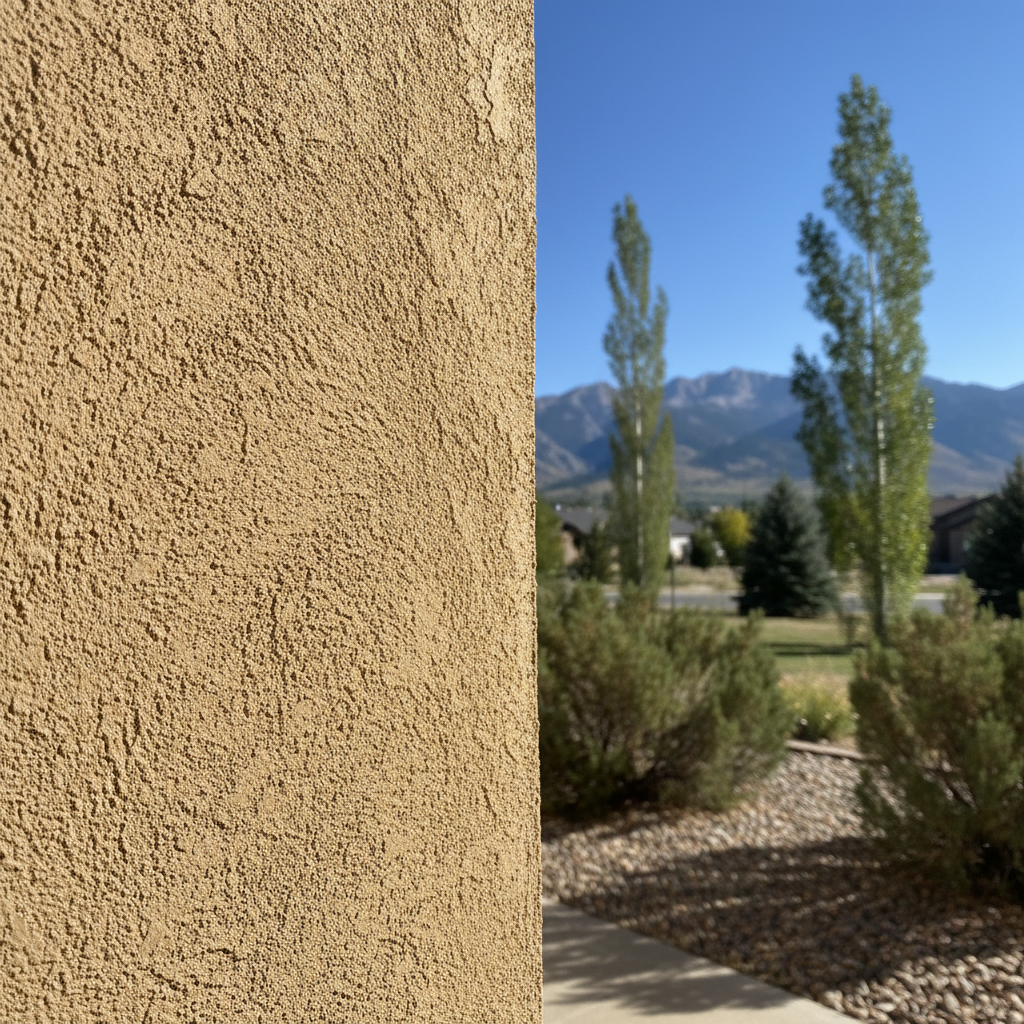
Before You Start: Your Stucco Inspection Game Plan
Let us talk about Stucco. Many homes in Ogden, UT have Stucco. Like anything else, Stucco needs some attention sometimes. But what kind of attention does Stucco need? And how do you know if you are looking at a small fix or something bigger? This guide will walk you through what you need to know before, during, and after a Stucco Inspection. We will focus on what you can do yourself versus when to call a professional like Salt Lake Stucco in Ogden, UT.
First, you need a plan for your Stucco Inspection. Do not just walk outside with a magnifying glass. You are looking for signs of trouble with your Stucco. Knowing what those signs are is important. Stucco is a solid material, but it is not invincible. This is especially true with Ogden's temperature changes and the heavy snowmelt seasons. These freeze-thaw cycles can put stress on your home's exterior Stucco.
What You Can Do Yourself (The Visual Check)
You can do a good first visual Stucco Inspection. Grab a notepad and a pen. Then, take a walk around your house in Ogden, UT. Do this at least once a year. You should also do this after any big storms in Ogden.
- Look for Cracks: Hairline cracks are very thin. These are usually just cosmetic. Stucco is a rigid material. Houses settle, so some minor cracking is normal. But if you see cracks wider than a credit card, or anything over an eighth of an inch, those are red flags. Also, watch for spiderweb cracks, stair-step patterns, or cracks running diagonally from window or door corners. These can show movement in your home's structure or foundation. They can also mean that water has already gotten behind the Stucco.
- Check for Discoloration and Stains: Dark streaks, brown spots, or wet patches that do not go away after it rains are bad news for your Stucco. They mean water is getting in. White, chalky residue, which is called efflorescence, also points to moisture issues. Pay close attention to areas below windows, near the roofline, and at the base of your walls. These are common problem areas for Stucco in Ogden.
- Feel for Soft Spots, Bulges, or Bubbles: Stucco should feel hard. If you press on it and it feels spongy, yields, or flexes, that is a sign the wood sheathing underneath is rotting from moisture. Bulging or bubbling areas mean water is trapped behind the Stucco. This water pushes the Stucco away from the wall. This needs immediate attention for your Stucco.
- Inspect Caulking and Flashing: Look at all the gaps around your windows, doors, and any penetrations like dryer vents or electrical boxes. Is the caulk cracked, missing, or dried out? These are common entry points for water behind the Stucco.
- Look for Mold or Mildew: Any biological growth on your Stucco, especially in areas that stay damp, indicates a persistent moisture problem. Stucco in Ogden can get mold or mildew if there is too much moisture.
If you spot any of these bigger issues during your visual Stucco check, that is your cue to call in a professional Stucco Contractor. Do not try to patch over bulges or significant cracks yourself. You are just putting a band-aid on a much deeper wound for your Stucco.
When to Call a Professional for Stucco Inspection
You have done your walk-around for your Stucco. You have found something more serious than a tiny hairline crack. Or maybe you are buying a new home in Ogden, UT with Stucco and want to be sure about its condition. That is when you call a professional Stucco Inspector. They have the tools and the knowledge to find hidden Stucco problems you cannot see. An independent inspector, one who does not also do Stucco Repair work, is usually your best choice for an unbiased assessment of your Stucco.
What a Pro Does (The Intrusive Inspection)
A professional Stucco Inspection goes beyond what you can see. Salt Lake Stucco looks at the whole Stucco system. This includes the flashing, the drainage planes, the weep screeds, and the control joints. Salt Lake Stucco makes sure everything is working right. The most accurate way to check for hidden moisture in Stucco is an intrusive inspection.
- Moisture Meter Testing: This is the gold standard for Stucco Inspections. The inspector will drill small holes, usually 3/16" to 1" apart. These holes are in strategic locations, such as around windows, doors, and rooflines. Then, they insert probes to measure the moisture content of the sheathing or framing behind the Stucco. Anything 19% or above is considered elevated moisture. They will seal these holes afterward with color-matched caulk. This method is very accurate for finding hidden water damage in Stucco.
- Thermal Imaging: Some inspectors use infrared cameras to look for temperature differences. These differences can sometimes indicate moisture in Stucco. But often, it is not conclusive on its own. You still need the moisture probes to confirm the findings for your Stucco.
- Borescope Inspection: This involves a tiny camera inserted into wall cavities. It is useful for Stucco Inspections. However, if your walls are insulated, it might not work.
A good Stucco Inspector will give you a detailed report. This report will have photos, moisture readings, and recommendations for your Stucco. Do not be overwhelmed by it. Call the inspector first to clarify anything you do not understand about your Stucco Inspection report.
After the Inspection: What's Next?
So, you have your Stucco Inspection report. Now what? You have a couple of paths depending on what the report says about your Stucco in Ogden, UT.
DIY Repairs (Small Stuff)
If the report only shows minor issues with your Stucco, like those tiny hairline cracks (under 1/8 inch) or very localized, superficial damage, you can probably handle those yourself. You can get Stucco Repair kits for these small fixes. Just make sure you use a waterproof acrylic caulk for cracks. Remember, you are not painting over cracks; you are sealing them. Painting Stucco can trap moisture. This is the last thing you want for your Stucco.
Professional Remediation (Bigger Problems)
If the Stucco Inspection reveals significant moisture intrusion, rotting sheathing, or structural damage, you are looking at professional Stucco Remediation. This is not just a patch job. It is a complete process to fix the root cause of the Stucco problems. A good Stucco Remediation process involves:
- Removing the damaged Stucco to expose the substrate.
- Repairing or replacing any rotten wood framing or sheathing.
- Installing a proper water-resistive barrier (WRB) to prevent future water problems with the Stucco.
- Applying new Stucco with correct techniques and materials.
When you are getting quotes for this kind of Stucco work, make sure all contractors agree on the basic scope of repairs. This scope should be outlined in your Stucco Inspection report. Price is not the only factor. You want quality workmanship that addresses the underlying Stucco issues, not just the visible damage. Here in Ogden, UT, especially with homes in areas like the East Bench that might have older Stucco systems, getting it done right the first time saves you many headaches and money later on. Salt Lake Stucco provides quality Stucco Remediation in Ogden, UT.
Ultimately, taking care of your Stucco means being proactive. A little regular checking on your part, and knowing when to call Salt Lake Stucco, will keep your home looking good and protected for many years to come. Do not let small Stucco issues fester. Your home's exterior Stucco is its first line of defense.